
Smiths
Made in England
History
Once, S Smith & Sons gave the Swiss a run for their money, and the rolling Cotswold hills took on the might of the Jura Mountains. Borne of the government’s desire for wartime self-sufficiency regarding watches, clocks and timing mechanisms, funding was given to S Smith & Sons, watch and clock makers since 1851, who had since diversified into motor, aviation and marine instruments. This finance came in the form of MoD contracts, which were ongoing from the start of WWII. Fearful of enemy bombing, the high-grade watchmaking facility relocated to Cheltenham in “stealth” factories (single story with grass roofs) and against the odds, in straitened conditions managed to produce, from scratch, pocket watches, and by the end of WWII, wrist watches. The market for them settled at a solid but reasonable price: in 1959 an Imperial Automatic in stainless steel would have been £25 (£759 in 2024 money), the same thing manual-wound would have been £12 (£364). The post-war civilian market was tough, and despite introducing new models and movements, fine watchmaking ended in Cheltenham in 1971. During this brief period, they produced unique and distinctive watches that make a fascinating study for the fledgling collector.
Company name changes
1931 Smiths, then called S. Smith and Sons (Motor Accessories) Ltd, entered the domestic clock market and formed a new company, Smiths English Clocks Ltd, as the Clock and Watch division with Cricklewood as the main factory.
1932 Smiths purchased English Clock and Watch Manufacturers of Coventry, and acquired the trade names Astral and Empire.
1934 They bought the Enfield Clock Co.
Circa 1955 the name Smiths English Clocks Ltd. was changed to "Smiths Clocks and Watches Ltd."
In 1966 the name of the principal company of the Smiths group was changed from "S Smith & Sons (England) Ltd" to "Smiths Industries"
In 1977 Smiths carried out another reorganisation of the clock and watch division, forming two separate companies, Smiths Industries Clock Co. and Smiths Industries Watch Co.
The variations of the company name provide a useful guide to the date of a clock
The company also became a major supplier to the automotive and aviation industries. Dashboard clocks, gauges, and timing instruments from Smiths became standard equipment in British-made cars and planes. This versatility set Smiths apart from many other clockmakers of the time.
It was rumoured that when the Smiths factory closed Timex bought out the company and at some point destroyed the tooling and remaining spare parts but regardless of the various rumours the name was resurrected some years ago by Eddie Platts at Time Factors who produces Smith’s watches which look very similar to the original models.
Smiths ceased to produce clocks for the domestic market in 1979.
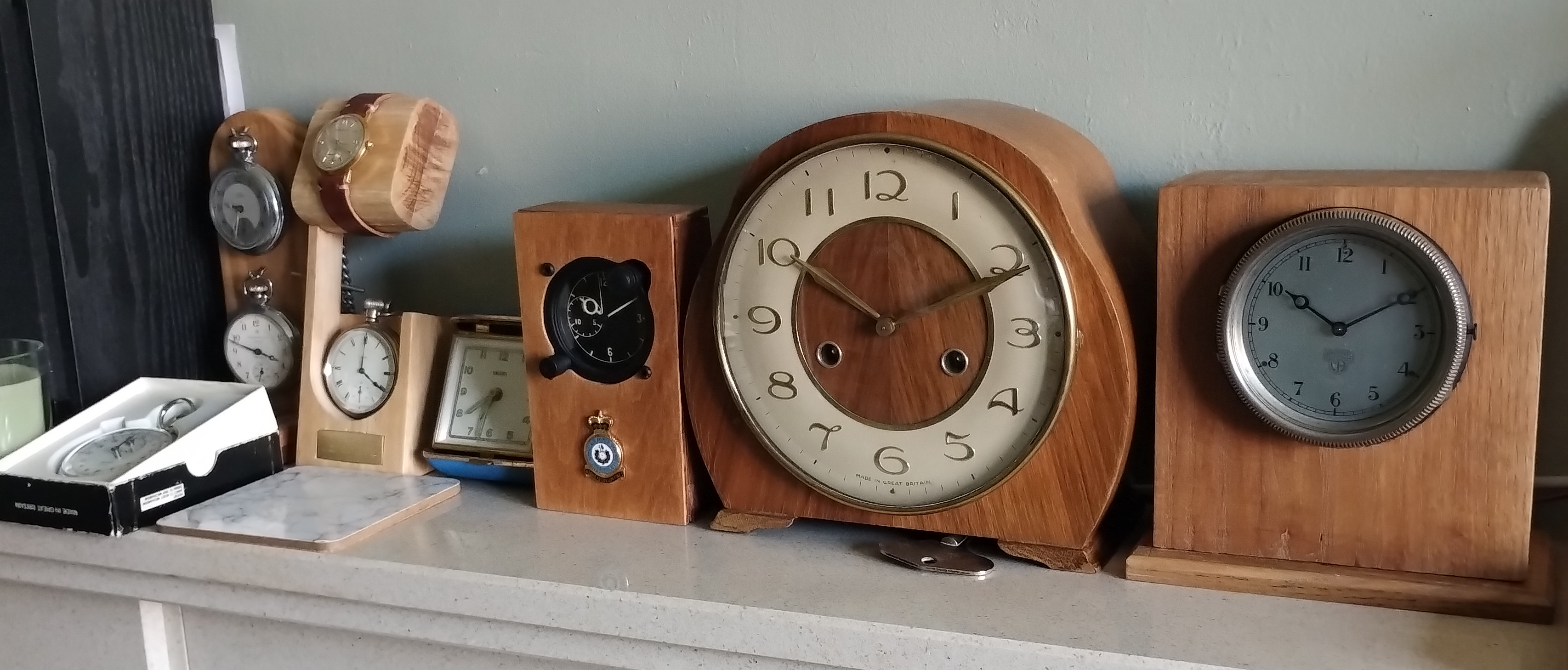
Smiths Clocks and Watches
Watches
Smiths astral english manufactured watches. with smiths these were a line of watches with cheaper finishes to the escapement components. these started with the conventional 15 and 17 jewel movements and ended with the astral name being used on imported renamed products with Swiss and Japanese parts. this is actually one of the oldest smiths used names, with its origins in the 19th century being used finally by H. Williamson before they were absorbed by smiths. the 19th/early 20th century versions came in 7-19 jewel versions.
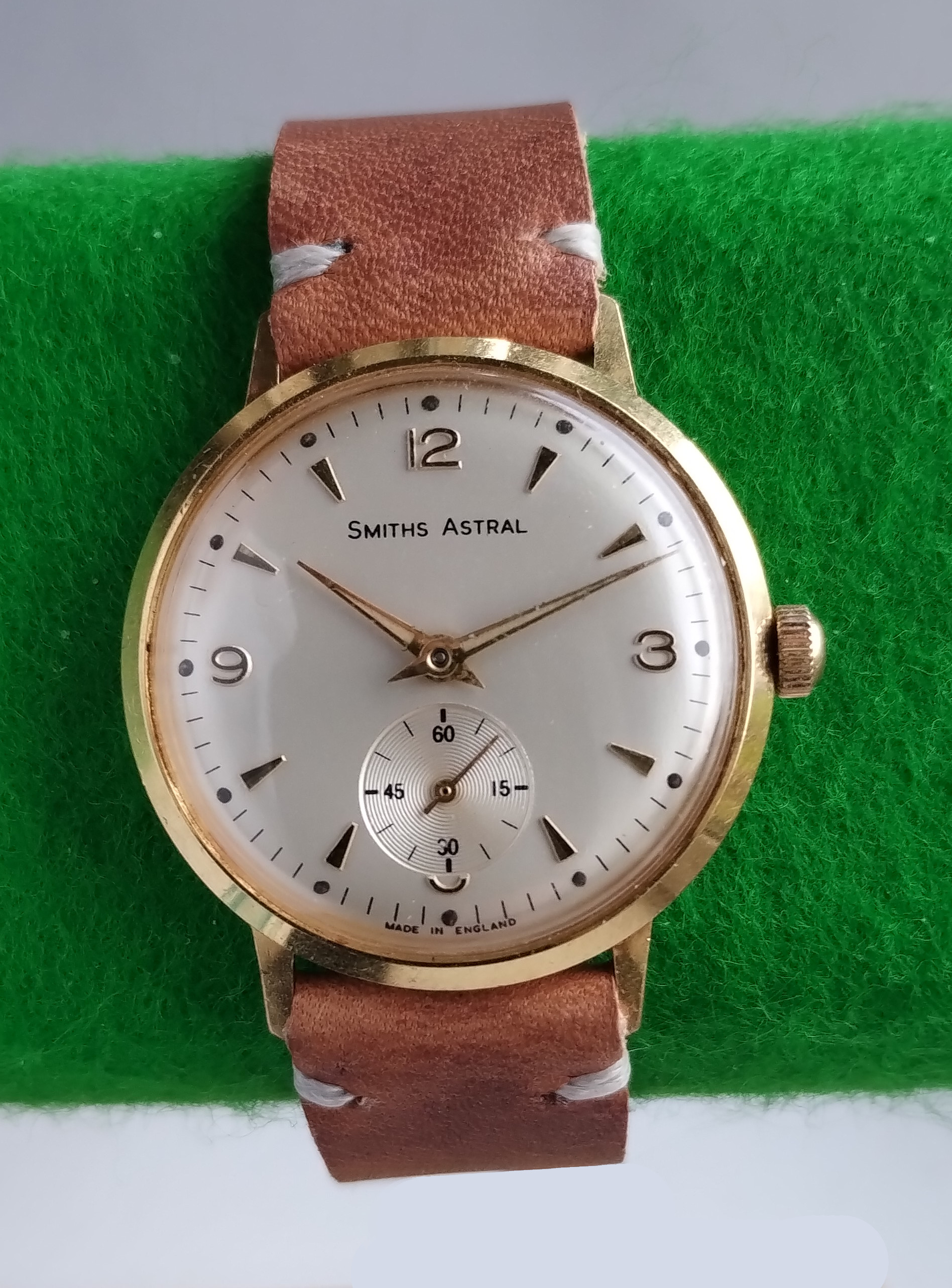
Smiths Astral - Made in England
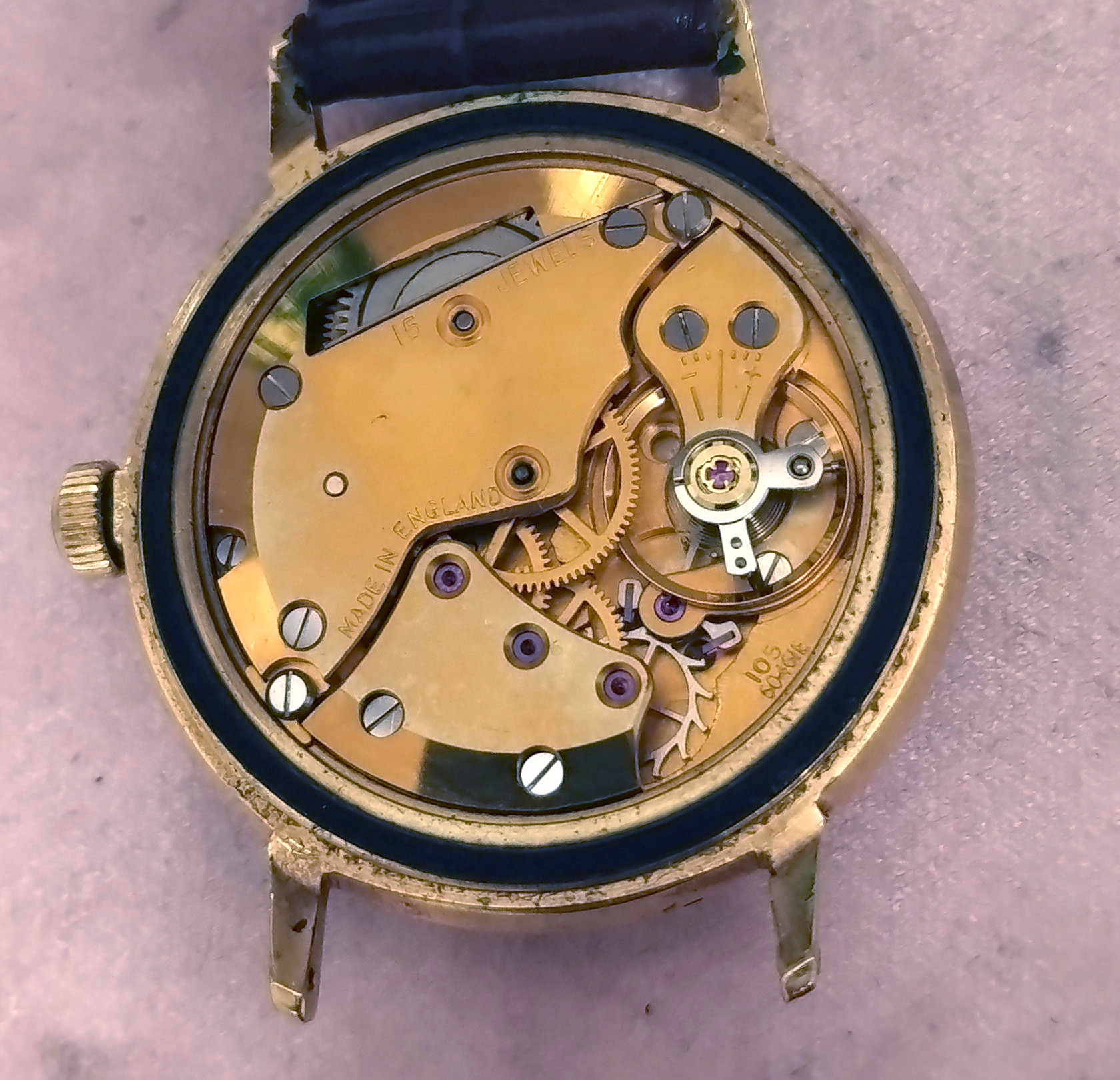
Smiths Astral Movement
Looks to be a 1960 built movement from the serial number (60-461t)
15 Jewel
size: 34mm
lugs: 18mm
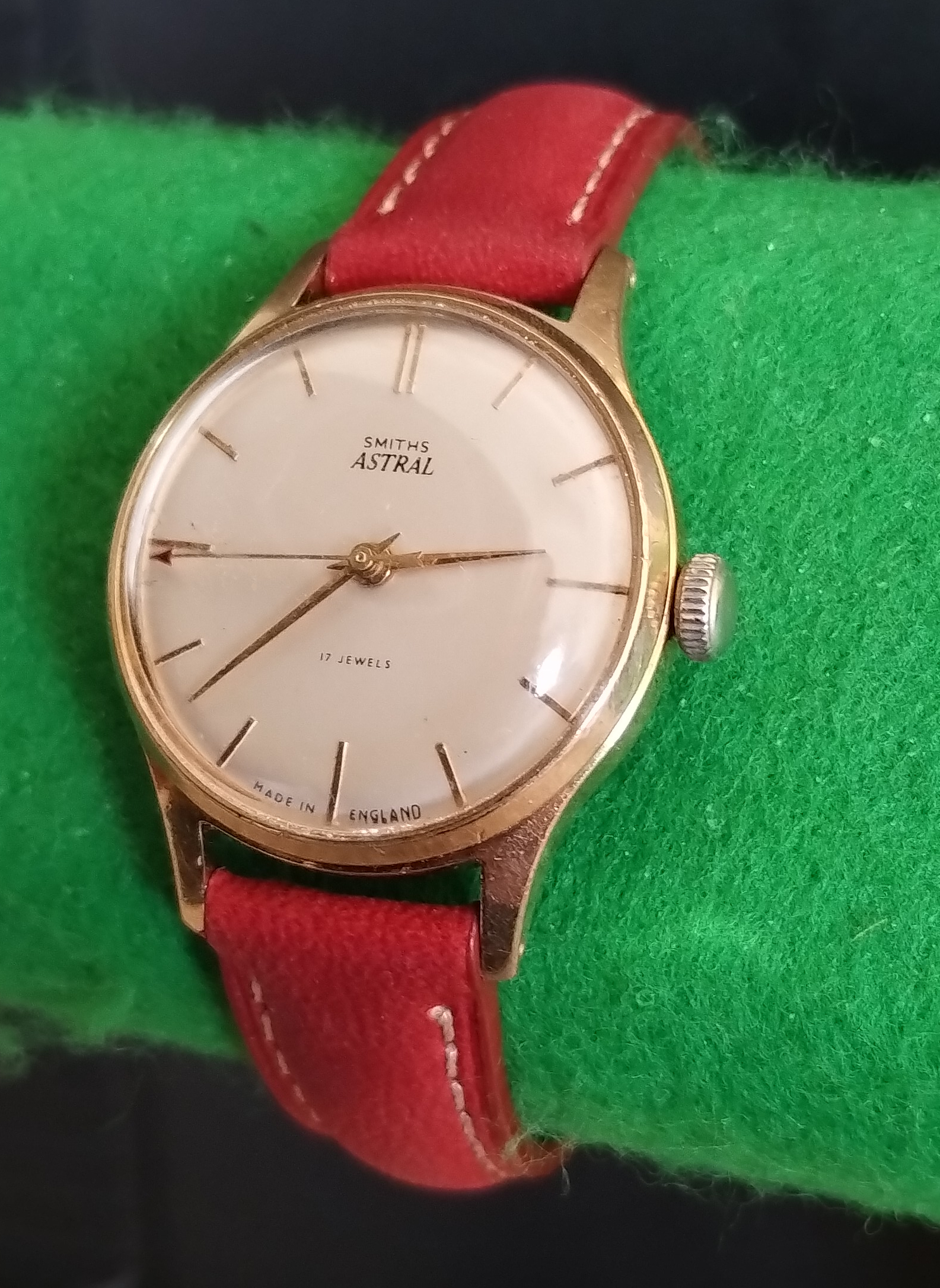
Smiths Astral 27 CS 1950's
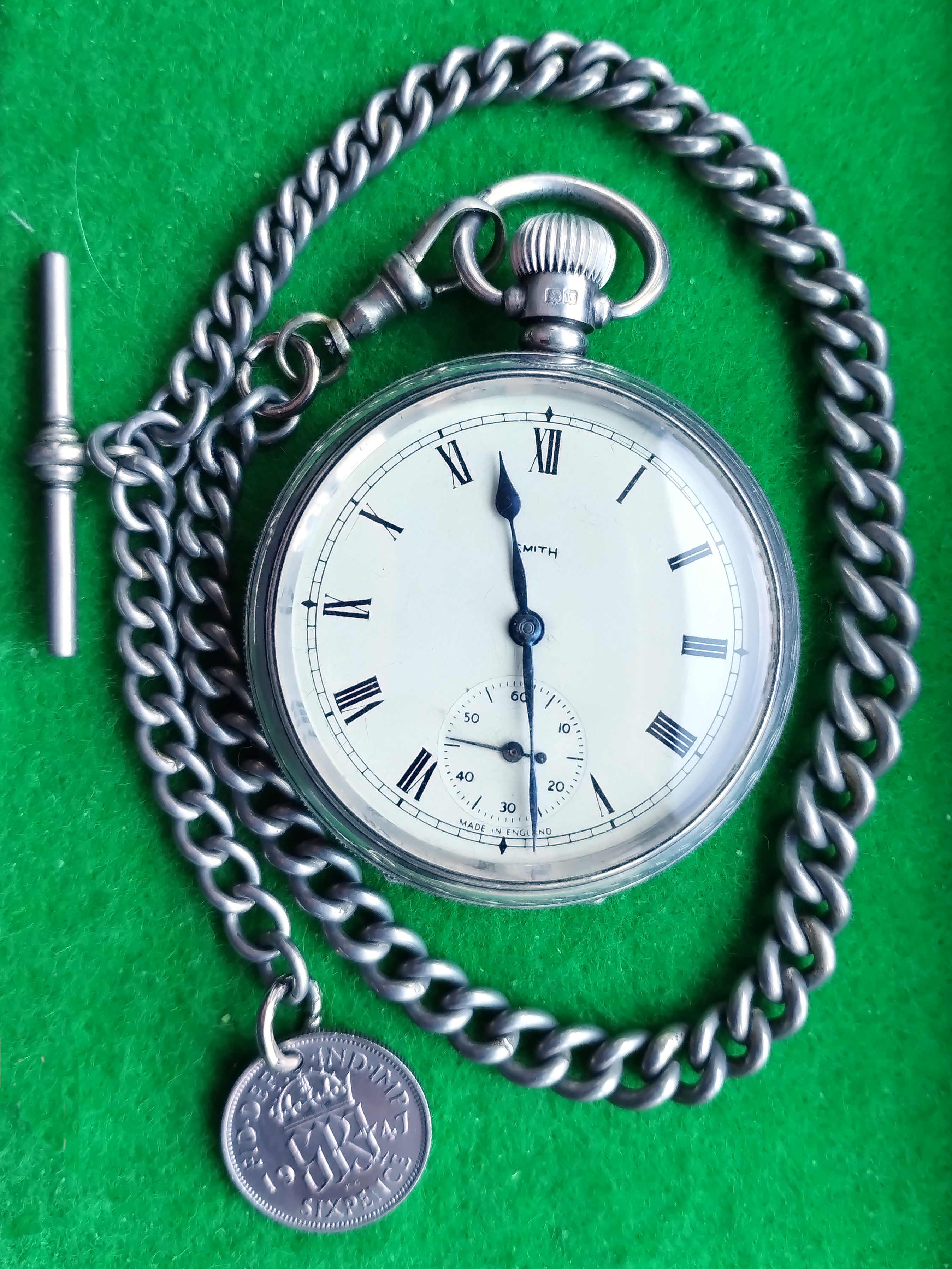
Smiths Made in England (Cheltenham) pocket watch
With N C Reader 'ALBO' Chain
Smith's Made in England open faced Sterling silver pocket watch.
Presented by ICI to 'N BECKETT for 25 Yrs service 1940'
Silver 'Dennison' case Birmingham 1947
Employees of Imperial Chemical Industries (ICI) received early Smiths timepieces as presentation watches, but these have often led to some confusion amongst collectors. Although dials of these watches feature a 1945 print, the hallmarks present on their Sterling silver cases confirm that the actual year of production was in 1947. Smiths workers who had completed periods of long company service during the war received the 1945-printed presentation watches in recognition of their efforts. As time in the military counted towards company service, employees who had reached their long service point with Smiths while away at war would have had the commemorative year engraved on the back (e.g. 1945), not the year of presentation (e.g. 1947).
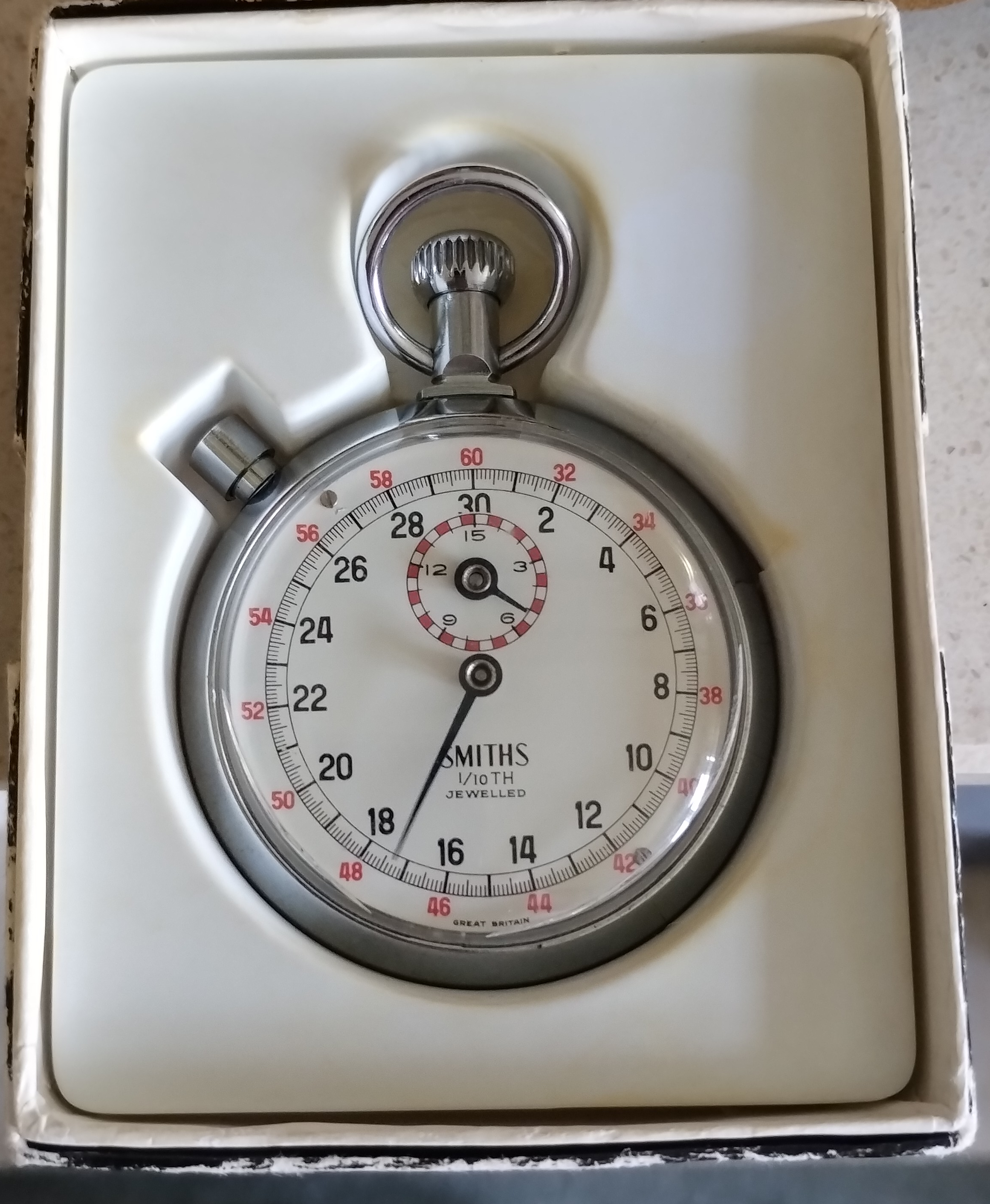
Smiths 1/10TH sec Stop Watch Great Britain
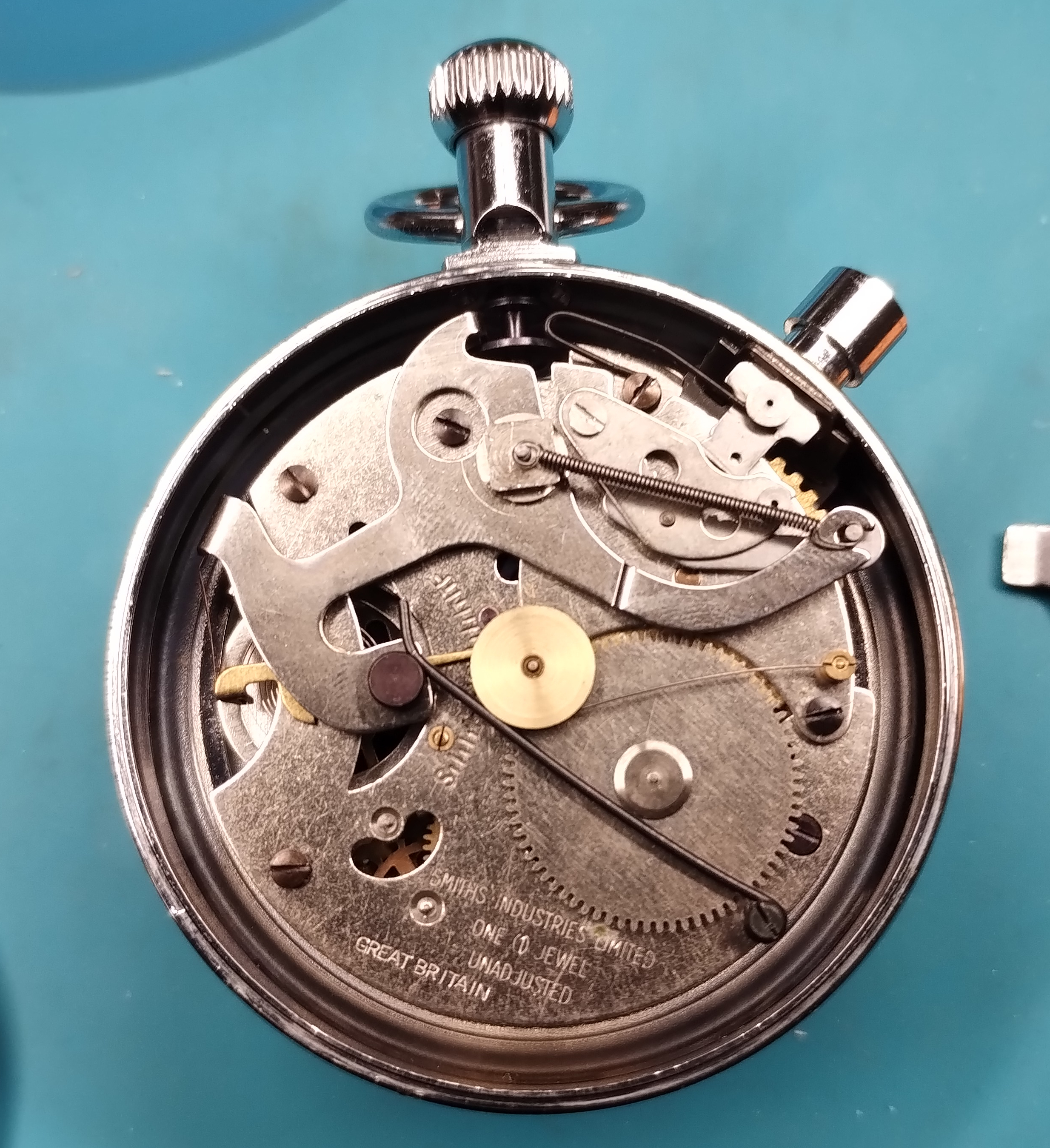
Stop watch Movement 1 jewel
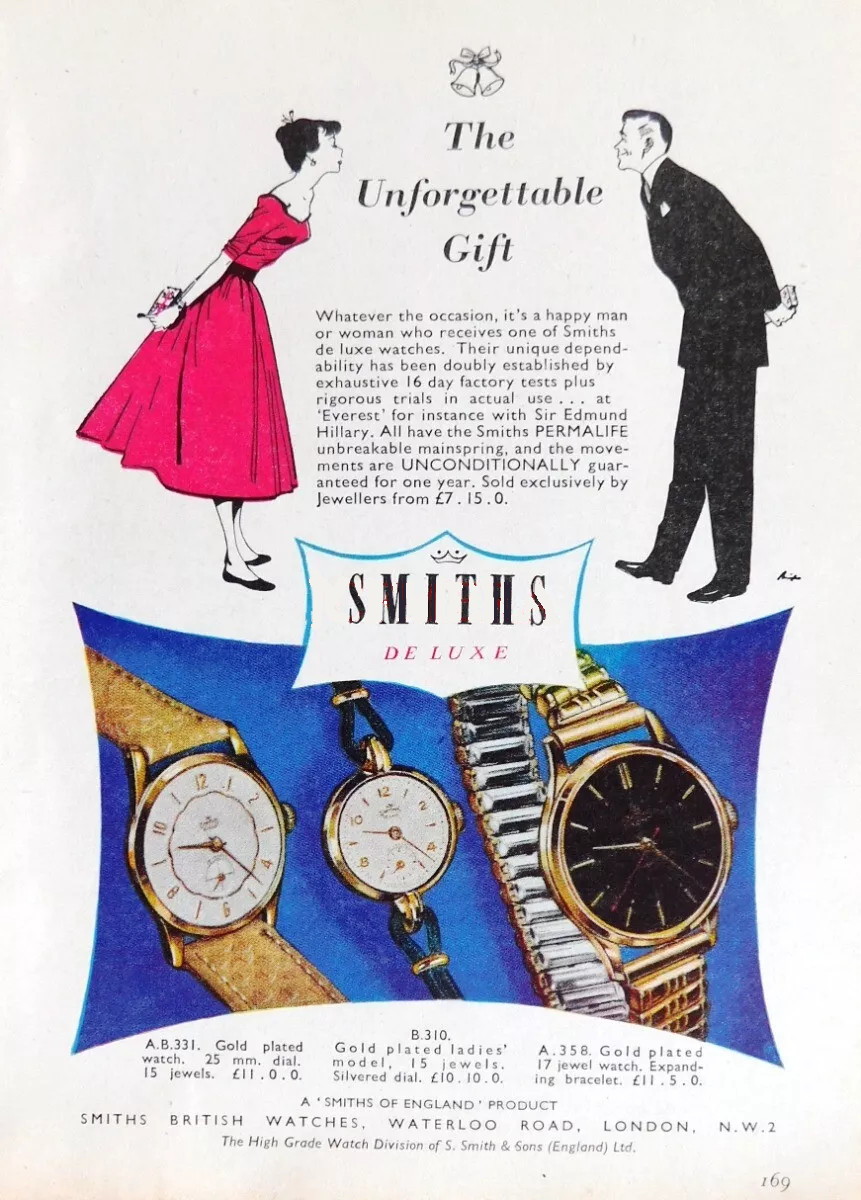
Smiths Advertisement
Clocks
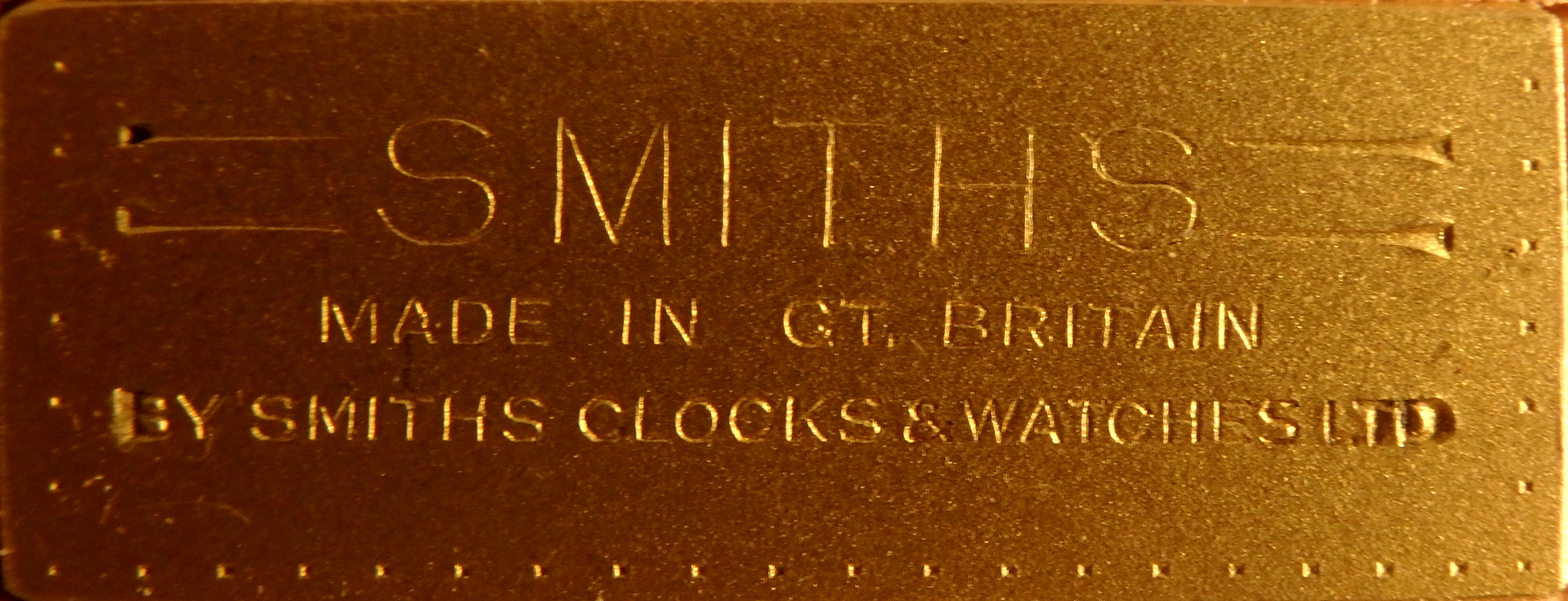
Clock Stamp
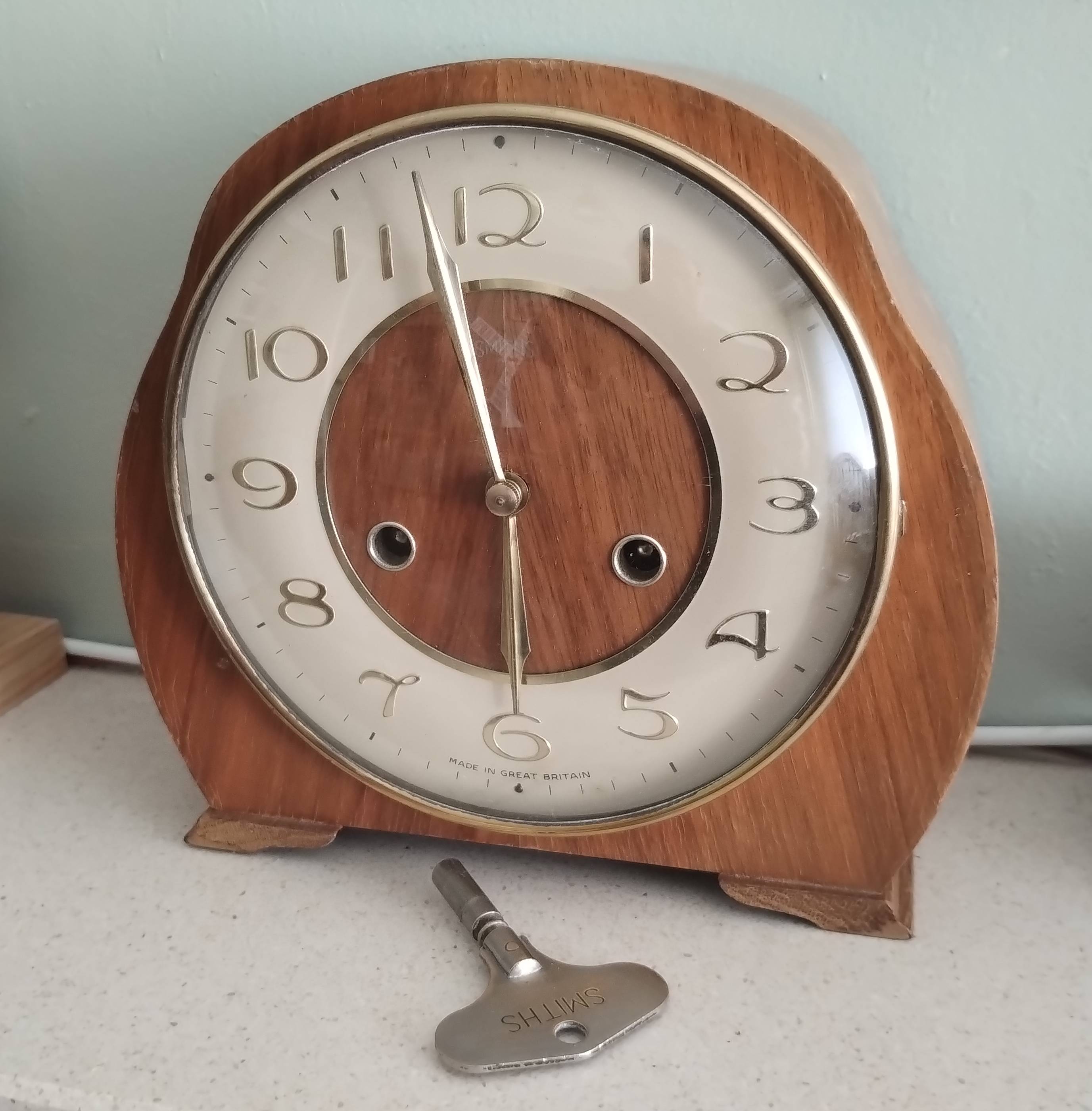
Smiths Chiming Mantle Clock, Made in Gt Britain in Nov 1957
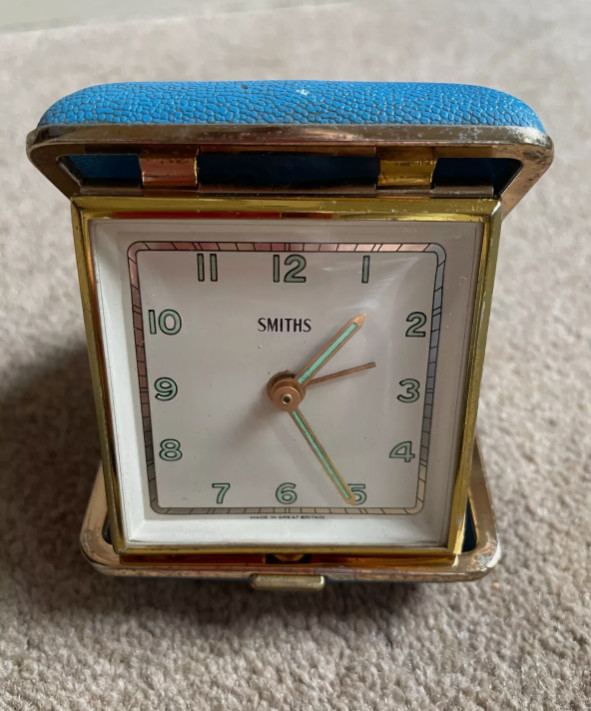
Smiths Travel Alarm
Ships Clock
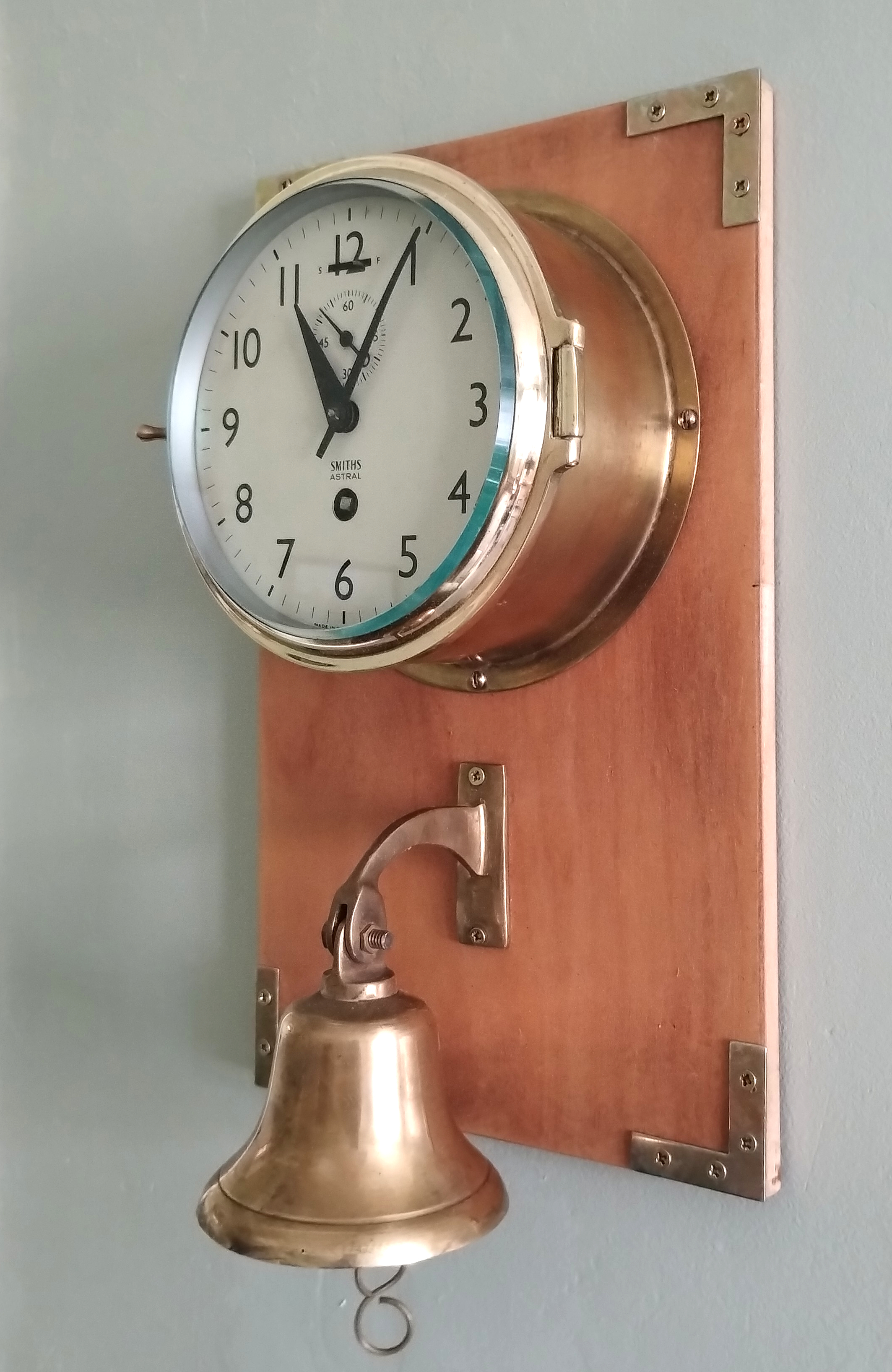
Ships Clock with Bell
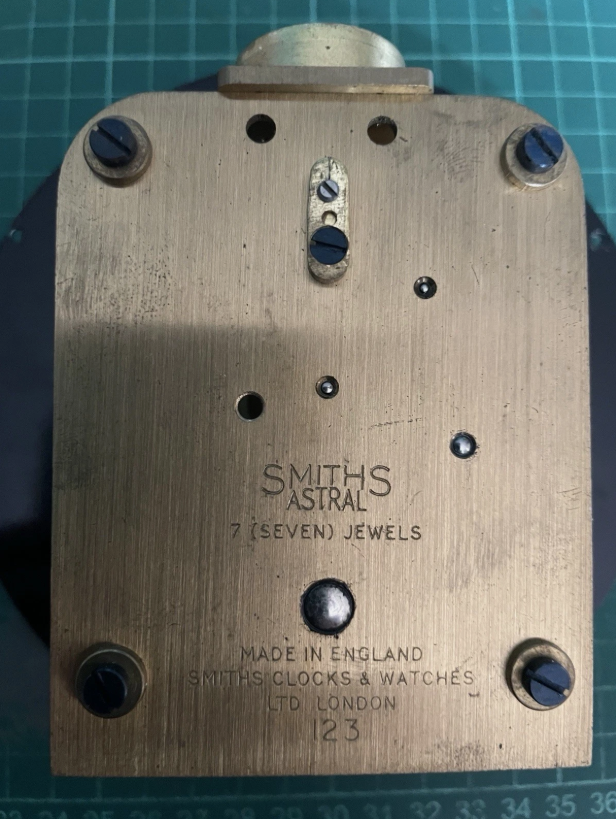
Ships Clock Movement #123
Aircraft Clock
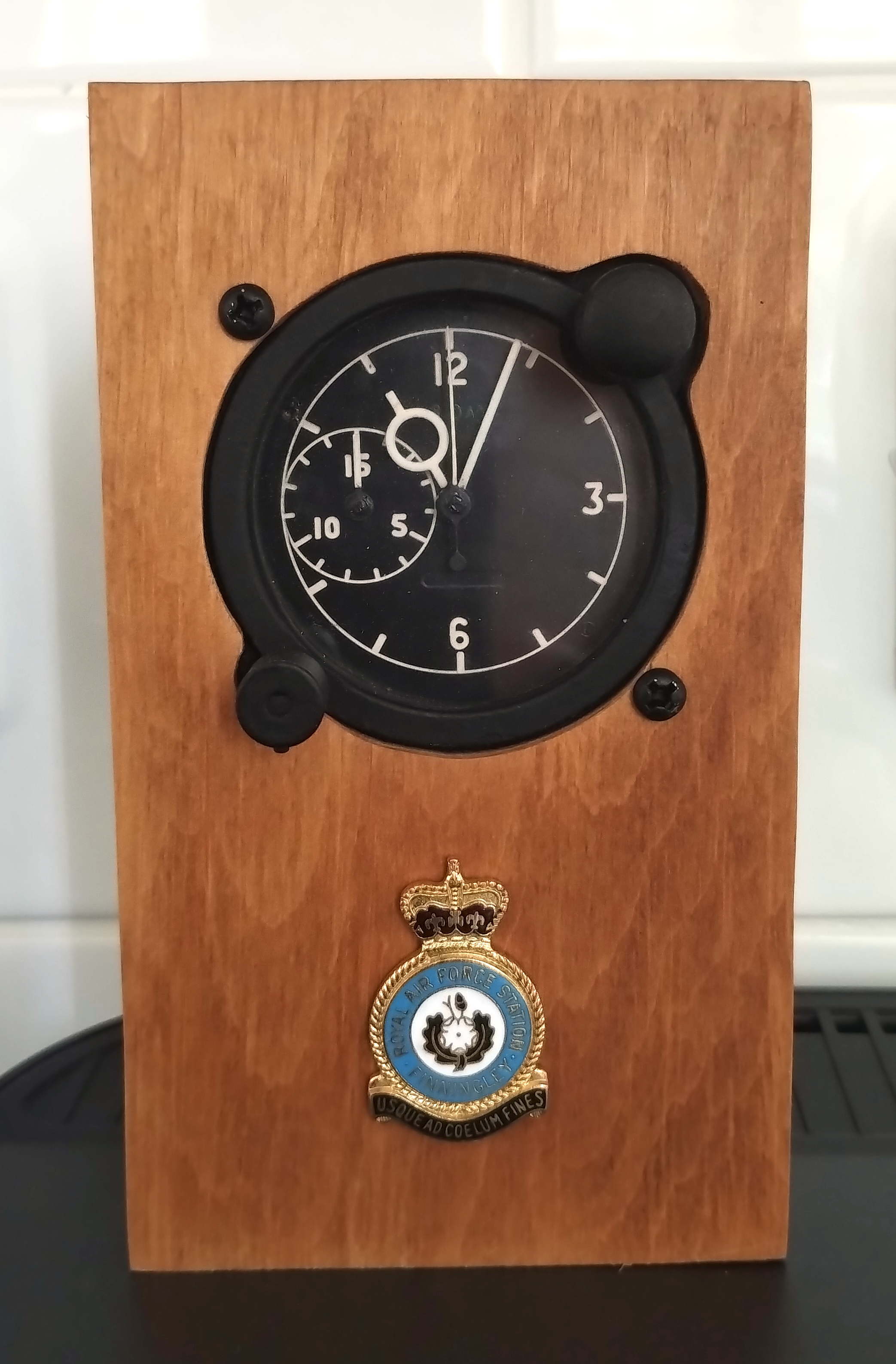
Clock Elapsed Time MK5A as fitted to RAF Sea King SAR helicopters and Dominie Nav trainers with RAF Finningley station badge.
Overview of the MK5A Clock
The MK5A clock was the standard elapsed time clock utilized by the Royal Air Force (RAF) starting in the mid-1950s. It was designed to meet specific military needs for timing and navigation.
Features of the MK5A Clock
Central Seconds Hand: This feature allowed for precise tracking of elapsed seconds.
Elapsed Minutes Subdial: A dedicated subdial displayed elapsed minutes, enhancing the clock's functionality.
Limitations: The MK5A clock was primarily effective for measuring time periods of up to 15 minutes. For durations longer than this, users had to rely on separate clocks or stopwatches.
Importance in Aviation
The MK5A clock played a crucial role in aviation, particularly for navigation and timing during flight operations. Its design was tailored to meet the demands of pilots and navigators, ensuring they could accurately track short intervals of time essential for various tasks.
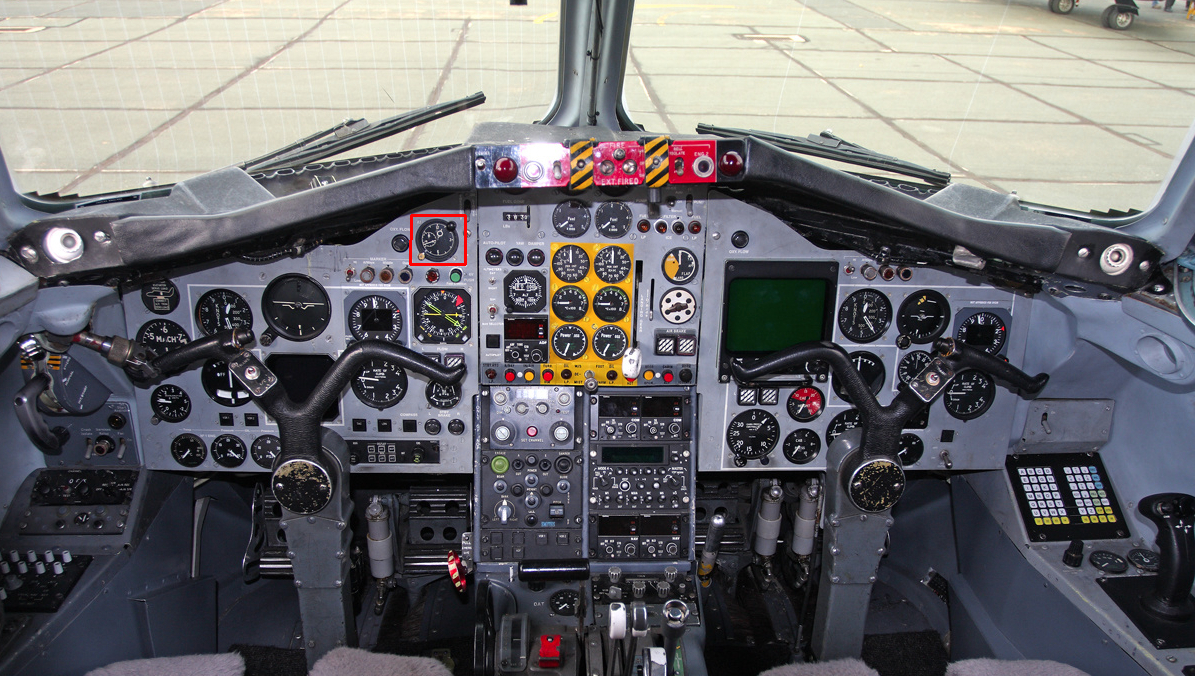
Dominie Cockpit with MK5A in red box
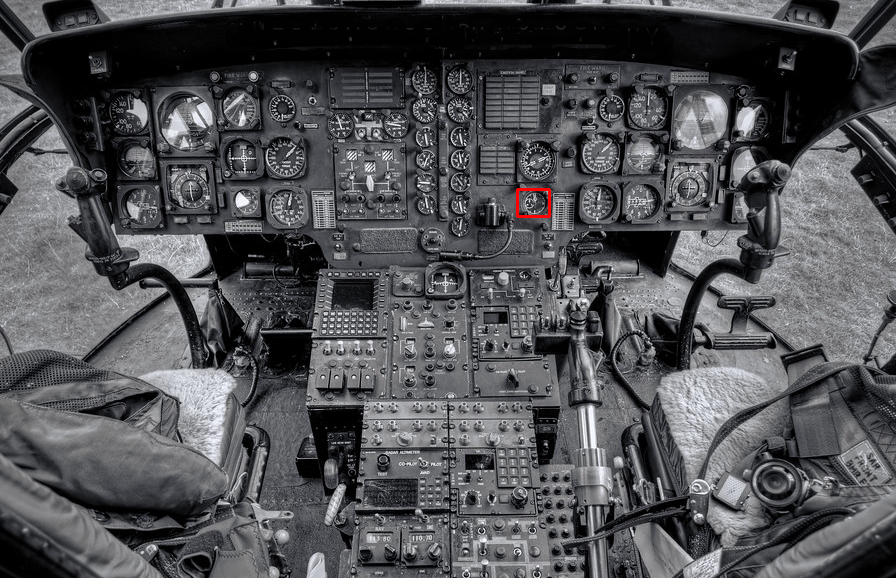
Sea King Cockpit showing position of MK5A clock
Car Clock
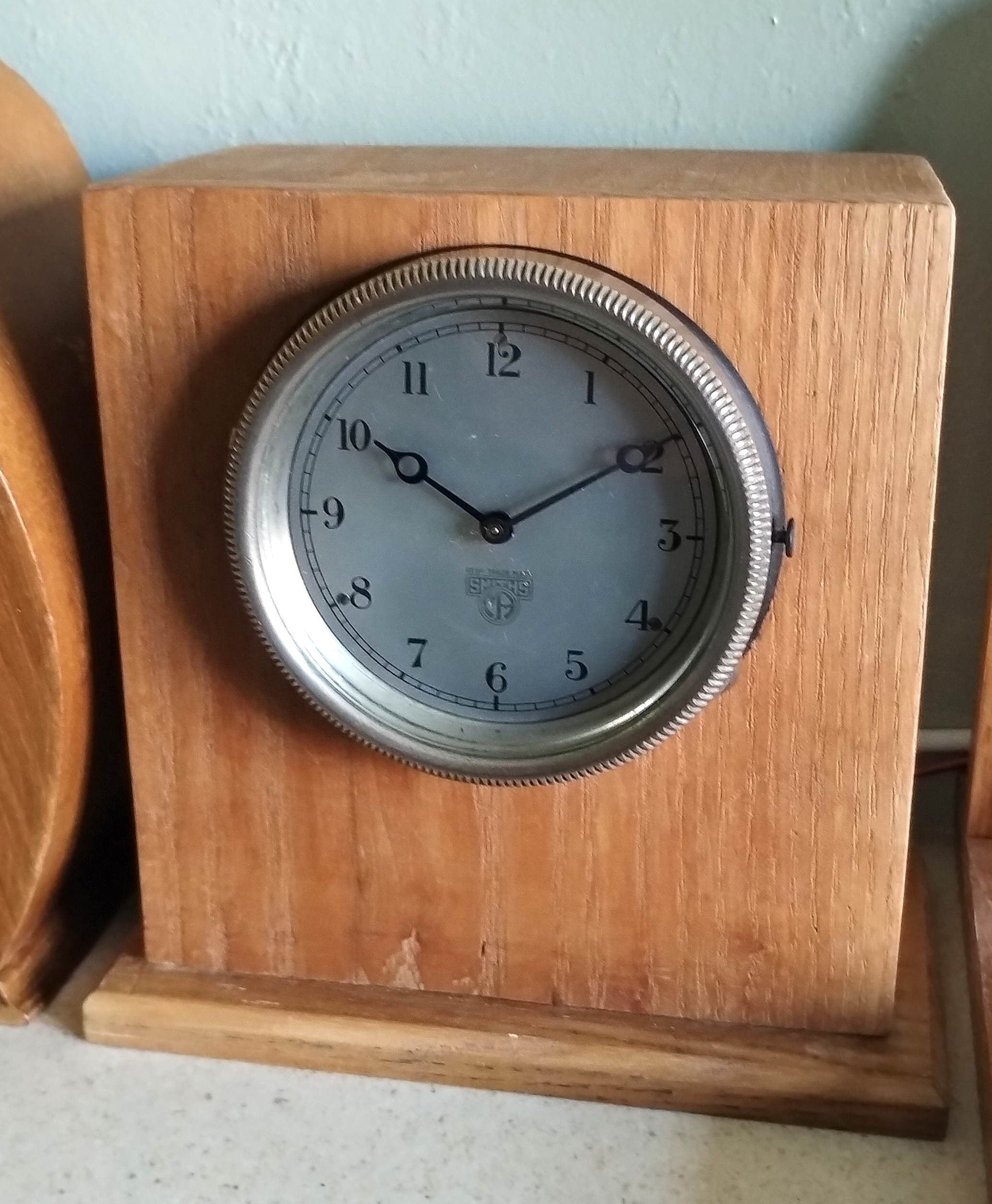
Smiths Car Clock 1920/30 Originally fitted to Austin Cars
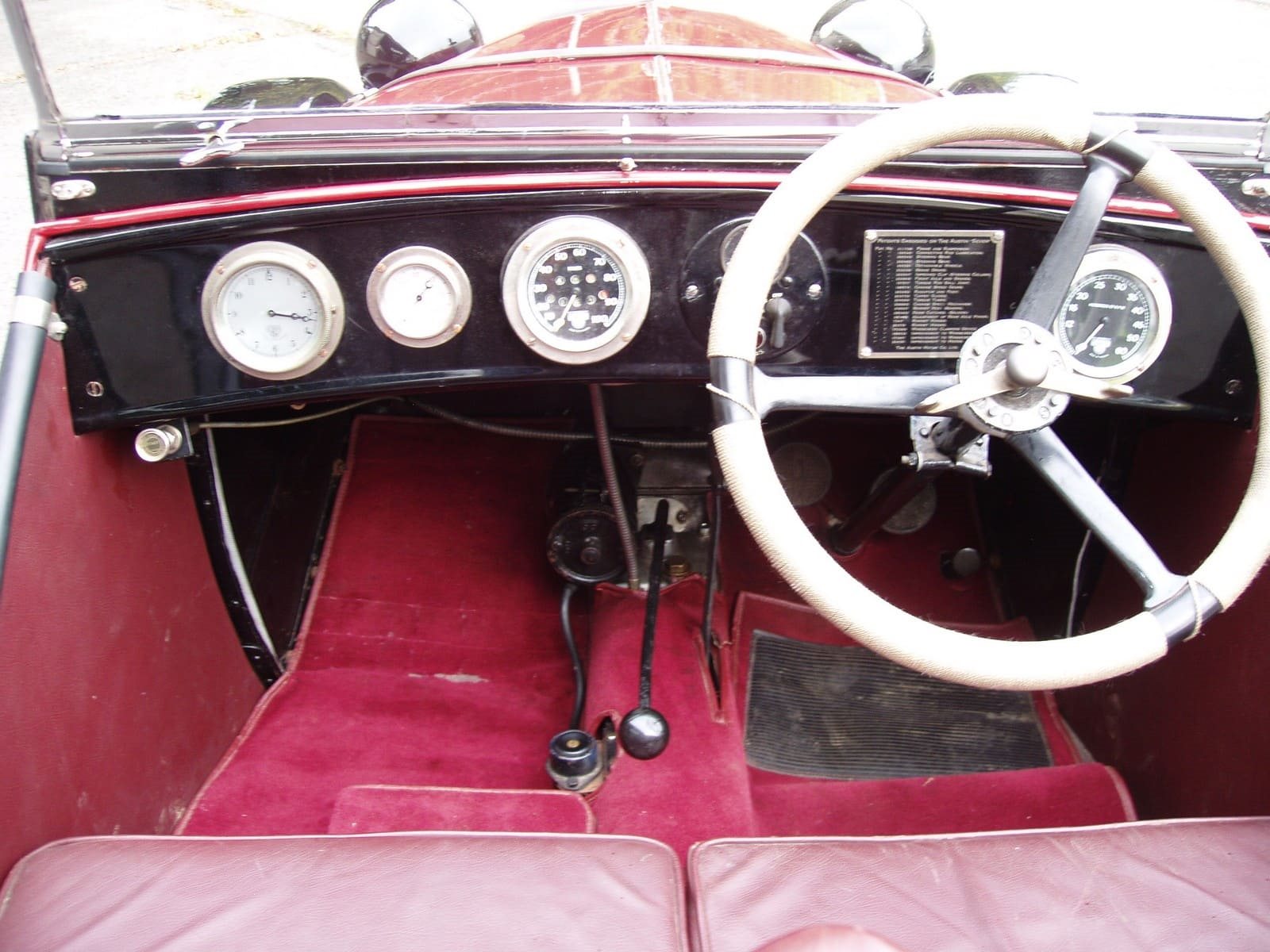
Austin Seven Sport with Smiths Clock 1930
Backlinks: Watches Clocks